
Daily Schedule
IAQA Annual Meeting & Expo
April 30-May 3, 2026
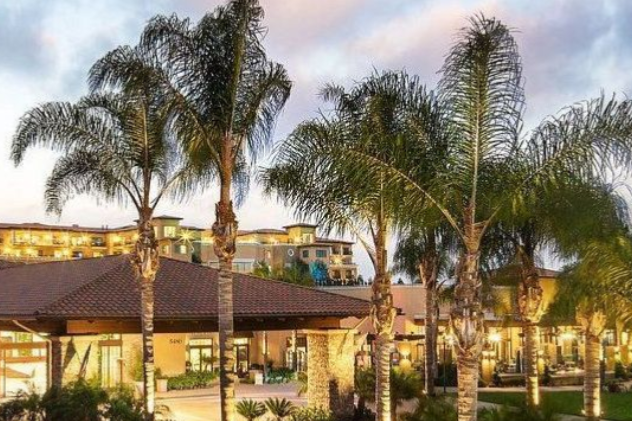
The Westin Carlsbad Resort & Spa
Carlsbad, CA
Thank you for joining us in Carlsbad!!
Stay tuned for announcements about future events!
All IAQA Courses are accepted by the ACAC for continuing education credits.
Pre-Conference Workshops, Thursday, April 30
7:00 am Registration Desk Opens in the Grand Pacific Foyer | Noon: Box Lunch provided for Workshop Registrants | Exhibit Hall Opens at 5:00 pm for Happy Hour
8:00 am | Asbestos Awareness for IAQ Professionals: Practical Compliance, Risk Recognition, and Defensible Consulting, Kevin Hutton | Solana Room
Kevin Hutton
Indoor air quality (IAQ) consultants and building science professionals frequently evaluate spaces where asbestos-containing materials (ACM) may be present—mechanical rooms, ceiling systems, pipe chases, plenum spaces, and older finishes. While IAQ consultants typically do not perform abatement or intentionally disturb materials, their work can involve contact with suspect ACM/PACM or presence during building activities where fiber release is possible. OSHA’s Construction Asbestos Standard addresses this reality by requiring “asbestos awareness” training for Class IV activities and specifying that this training is delivered under the program in 29 CFR 1926.1101(k)(9).
This four-hour session is built for IAQA members and allied professionals who need asbestos awareness that is credible, practical, and aligned with how consulting work actually occurs in the field. The course focuses on recognizing common suspect materials across building types; understanding health effects and exposure pathways; and identifying conditions where routine access, observation, or minor incidental contact may elevate risk. Attendees will also learn how OSHA frames Class IV considerations and why awareness-level competence matters even when asbestos is not a “project scope” item.
A central theme is professional defensibility. Participants will receive guidance on documenting observations without overstepping scope of practice, communicating concerns accurately to clients and stakeholders, and knowing when referral to licensed specialists is warranted. Real-world scenarios will highlight common errors that create liability (over- or under-calling suspect materials, vague language in reports, and failing to recognize higher-risk conditions such as deterioration or accessible thermal system insulation).
This session supports IAQA’s commitment to advancing professional standards and protecting public health. Attendees leave with stronger risk-recognition skills, clearer regulatory understanding, and increased confidence navigating asbestos concerns encountered during routine building evaluations.
1:00 pm | Lessons Learned from LA Fires: Interpreting Fire and Smoke Data for Practical Use, Alice Delia, Sarah Mack, Jennifer Croft | Del Mar Room
Alice Delia, Sarah Mack and Jennifer Croft
Building on the Winter Break preview session regarding interpreting fire/smoke analytical data, we will now share experiences from the LA Fire response work in 2025. The lessons learned during this fast-moving response work impacted so many.
Alice Delia, PhD will provide firsthand insight regarding the AIHA Wildfire Technical Guidebook 'Red Book 2' development, considerations, and deliberations. 1 or more field consultants will weigh in with their experience interpreting fire/smoke analytical data. This workshop will incorporate data and environmental smoke sampling, and deciphering the data for insurance companies and homeowners.
1:00 pm | Silica Exposure, OSHA Compliance, and Available Resources, Vince Moiso | Solana Room
Vince Moiso
This an industry update on the background of Silica and the status of Silicosis cases happening around the country.
Participants will learn why licensure matters, some safe fabrication practices to pay attention to, and industry resources from trade organizations and OSHA that are available to help with compliance and safety.
This presentation will also include an update on legislation being introduced by the Natural Stone Institute.
5:00 pm Happy Hour in the Exhibit Hall | Grand Pacific Ballroom B
Dinner Suggestion: Consider enjoying the restaurant in the Westin or in the Hotel Solea next door. Then, meet us at the Fireside Chat!
8:00 - 9:30 pm Fireside Chat & S'mores | Ocean Blue Lawn
IAQA Conference Program, Friday, May 1
* Specific presentation times are subject to change.
7:00 am Registration Desk Opens | Grand Pacific Foyer
7:00 am Breakfast Buffet & Time with Exhibitors | Grand Pacific Ballroom B
8:00 am IAQA Annual Membership Meeting | Grand Pacific Ballroom A: Please join IAQ President Stanley Yeskolski and the IAQA Board as we discuss our future plans and upcoming events, showcase recent association developments, and thank our outstanding sponsors and exhibitors!
8:50 am | The Opportunity for Effective Wildfire Smoke Response, Peter Lahm | Grand Pacific Ballroom A
Peter Lahm
When large wildfires burn, the smoke doesn't stay outside. It quickly moves indoors and creates serious air quality and clean-up problems for nearby communities. These problems get worse when smoke drifts hundreds of miles and lingers for days or weeks. Wildfires that burn through neighborhoods and towns — known as wildland urban interface fires — add another layer of concern because they burn man-made materials, releasing more harmful pollutants into the air.
This presentation covers the full scope of the wildfire smoke problem, beginning with the serious health and financial costs we've seen in recent years. There are three key phases to address when it comes to wildfire smoke: 1) planning ahead, with preparation programs like Smoke Ready initiatives that help communities get ready before a fire; 2) active response efforts during an event, including the Forest Service-led Interagency Wildland Fire Air Quality Response Program, and; 3) post-fire clean-up and recovery, which is increasingly being recognized as a critical area that also requires planning and resources. Understanding and investing in all three phases is essential to protecting public health as wildfires become more frequent and severe.
Significant gaps exist across all three phases. With better coordination and greater investment, communities and workers could be far better protected from the growing threat of wildfire smoke.
10:00 am Refreshment Break in the Exhibit Hall | Grand Pacific Ballroom B
10:30 am | Revisiting EPA Indoor Air+: A Valuable Rating System that Promotes IEQ, Kevin Kennedy | Grand Pacific Ballroom A
Kevin Kennedy
There is a new emphasis on the importance of indoor air quality to people’s health (finally!). But a tremendous amount of work has already been done to work towards specific protocols during home construction that promote excellent indoor air quality in homes.
EPA developed the Indoor Air+ program for newly constructed homes with the goal of providing homeowners, architects, contractors, and environmental professionals with a systematic protocol for assessing and rating home design and construction to achieve the best indoor air quality possible.
The protocol includes a detailed assessment checklist that is scored and rated providing a point-based evaluation of any indoor exposure risks in a home. This provides guidance to the EPA IA+ Rater about what specific guidance they can offer the architect and builder for what improvements they should invest in to improve the design and construction practices to maximize good IAQ.
Kevin will present an overview of the EPA IAQ+ protocol and describe the scoring process. He will discuss some of the important research that indicates both the value of the IAQ+ and the potential long-term health outcomes homeowners can expect if they follow the IAQ+ recommendations.
11:45 pm Lunch Buffet & Time with Exhibitors | Grand Pacific Ballroom B
12:45 pm | Wildfire Impact Assessments as Outlined in the AIHA Technical Guide for Wildfire Impact Assessments for the OEHS Professional, 2nd Edition, Franco Seif | Grand Pacific Ballroom A
Franco Seif
Wildfires continue to increase in frequency, intensity, and impact across the Wildland-Urban Interface (WUI), creating complex challenges for occupational and environmental health and safety (OEHS) professionals, insurance carriers, restoration firms, and building owners. This presentation provides a technical overview of best practices for conducting wildfire impact assessments, focusing on evidence-based methods used to identify, evaluate, and interpret combustion by-products—including soot, char, ash, volatile and semi-volatile organic compounds (VOCs/SVOCs), and metals—in residential and commercial structures.
Drawing upon the framework established in the AIHA Technical Guide for Wildfire Impact Assessments for the OEHS Professional, 2nd Edition, this presentation outlines essential elements of a defensible investigation, including visual inspection, sampling strategies, analytical methods, and data interpretation. Special emphasis is placed on understanding the time-and-distance factors that influence the fate and transport of wildfire residues; the differentiation between near-field and far-field impacts; and the role of confounding background sources that may complicate origin attribution.
The presentation also compares contrasting findings from two real-world assessment reports to illustrate how inspection timing, cleaning history, environmental conditions, and methodology influence outcomes and conclusions. Participants will gain practical insights into forensic versus exposure-based assessment objectives, establishing preliminary impact levels, and preparing restoration recommendations consistent with current scientific understanding and industry standards.
This session is designed for industrial hygienists, OEHS professionals, restoration specialists, insurance personnel, and allied practitioners seeking to enhance their technical competence and align their practices with the most current guidance available.
12:45 pm | Case Study of a Failed Microbial Remediation Project, Robert Bennett | Cardiff Room
Robert Bennett
When there are no laws in a state that govern the technical approach and content of a mold remediation project, the contractor should use Standard Industry Care practices to complete the work. One of the standard practices used is the Institute of Inspection Cleaning, and Restoration Certification; Standard S-520. When a contractor references the S-520 in their agreement, but fails to meet those standards, the work no longer complies with the requirements of Standard Industry Care and may not be legally defensible.
This case study presents problems that occurred when a Consultant prepared an agreement referencing S-520, wrote an incomplete remediation protocol, and hired the remediation contractor that did not perform the work properly. When their subcontractor finished their work, the Consultant conducted a Post Remediation Verification evaluation and concluded the property did not meet the requirements for Condition I status. However, they did not return to the site to determine the source of the remaining contamination to complete additional remedial activities.
We will discuss the findings of our site assessment that will include the condition of the property when we arrived, and the contractual language that was used in the agreement. The content of S-520 guidelines that apply to this project and the laboratory data showing microbial contaminants after the work was completed. We will also discuss how the property was later remediated, which was complicated by the contractor’s application of a heavy opaque encapsulant covering the underlying microbial contamination.
Any IAQ consultant that reviews the work of a remediation contractor will find value in understanding the language of an agreement, understanding the content of S-520, and having the situational awareness of recognizing when the work was not completed to meet S-520 standards. This skill set is critical in completing a post remediation site assessment to assist in the safe occupancy of a building.
As a result of the actions by this IAQ Consultant and their subcontractor, an extensive report of findings was prepared and reviewed by the stakeholders. Legal actions were avoided when the Consultant agreed to provide compensation to complete the second microbial remediation project.
2:00 pm | Science We Should Know, and Share, Kevin Hutton | Grand Pacific Ballroom A
Kevin Hutton
Indoor air quality work is filled with common practices that are widely accepted but not always well understood. This interactive session is designed for IAQ consultants and firms who want to deepen their understanding of the science behind everyday tools, methods, and controls — and to use that knowledge to improve performance, consistency, and credibility across their work.
Rather than focusing on theory alone, this session connects fundamental scientific principles directly to real-world application. Participants will gain practical insight into why certain methods work, why others fail, and how small technical decisions can significantly affect outcomes.
The session is organized into three focused learning modules.
The first module examines the effectiveness of amended water and why it should be used consistently in IAQ-related work. Participants will explore how surface tension, wetting behavior, and particle interaction influence suppression and control, and why plain water often performs poorly in comparison. This module challenges common habits and reinforces best practices grounded in science.
The second module explores how exhaust tubing length, diameter, and pathway influence airflow performance and efficiency. Through practical examples, attendees will learn how friction loss, pressure drop, and turbulence affect equipment performance and system behavior. This segment helps participants better understand how setup choices impact real-world effectiveness, not just theoretical operation.
The third module clarifies how HEPA filtration actually works, moving beyond marketing language to explain the mechanisms that drive filtration performance. Participants will learn how interception, impaction, and diffusion function in practice, and why understanding these mechanisms matters when selecting, using, and explaining filtration technologies.
The session includes hands-on, interactive demonstrations that allow participants to see these principles in action, reinforcing learning through observation and engagement. Attendees will leave with clearer technical understanding, stronger professional confidence, and practical knowledge they can immediately apply to elevate the quality of their work and the conversations they have with clients, peers, and stakeholders.
2:00 pm | Healing Beyond the Hospital: The Power of a Safe Home Environment, Ryan Allenbrand | Cardiff Room
Ryan Allenbrand
Understanding the connection between health and housing is essential to addressing long standing environmental and social disparities. Housing is more than shelter—it shapes daily exposure to environmental hazards, access to clean water, sanitation, and overall safety. For children in particular, early exposure to indoor pollutants can have lasting health consequences, especially given that they spend 80–90% of their time indoors. Reducing housing related health disparities requires sustained research into exposure pathways within homes and communities, as well as investment in healthier housing design and maintenance.
Our Healthy Home Program at Children’s Mercy Hospital delivers environmental health services for children with asthma, supports safe housing for patients returning from bone marrow transplant care, and advocates for families affected by lead exposure. This presentation will outline the program’s approach, highlight key healthy housing challenges, and share practical strategies and home-based interventions that reduce environmental risks.
2:50 pm Refreshment Break in the Exhibit Hall | Grand Pacific Ballroom B
3:15 pm | Ventilation Systems - The Lungs of Our Buildings , Dennis French | Grand Pacific Ballroom A
Dennis French
It has been estimated that between 2/3 and 3/4 of all Indoor Air Quality complaints are directly linked to the function of our Ventilation systems in our buildings. How many inspectors or assessors truly understand how the ventilation systems actual function and the connectivity of all of the components.
This course will outline the the basic understanding of the components of a ventilation (HVAC) system and how these components function independently as will as within a collective system to maintain building health
If you don't understand the relationship between HVAC and the assessment process then a significant part of cause/effect relationship is being missed and the overall value to the client is being undermined.
Each component and design feature of a HVAC system is vital and the interaction of these components is intended to create a safe and healthy working or living space.
Design, selection, maintenance aspects all effect the success of the built environment.
3:15 pm | Combining Sporetraps & Ultrafine & Multi-Particle Meters for Mold & IAQ Assessments, Michael Meyer | Cardiff Room
Michael Meyer
IAQ problems occur from airborne mold and fine particles. Both can be inflammatory. Combining both spore traps and particle meters can detect a variety of problems. In some cases, mold concerns are actually due to particle sources. Particles can include gas stoves & dryers, electric heaters, propane heaters & forklifts, large capacity copiers, cigarettes, candles, incense, forest fire smoke, dust and mold spores etc. We use both spore traps, an ultrafine meter (<0.1 um) and multi-particle meter (0.3- 10 um).
Sporetraps, both passive and disturbed can be used to check mold problems and if adequate clean-up has occurred. The key molds are Aspergillus-Penicillium. A guideline of about 1000 sp/m3 is widely used.
Common outdoor molds: Cladosporium and basidiospores due to open window and doors often cause high indoor levels without being a health concern. Outdoor tests should be included in warm weather. For mold clean-ups, both sporetraps and particle meters are useful. Particle meters can check on HVAC filtration, mold clearances (HEPA air scrubbers, containments) mold and dust levels and pollution sources. Ultrafines cannot detect mold spores or dust while multimeters can detect mold spores and dust. For clean-ups, very low levels of ultrafines and/or multilevels usually means very low mold levels. While sporetraps may require a few days for lab analysis, particle meters provide instant results. Used together, sporetraps and particle meters can detect a wide variety of concerns.
4:05 pm | Writing Scientifically Defensible Mold Assessment Reports, Shannon Luce | Grand Pacific Ballroom A
Shannon Luce
The ability to produce a scientifically defensible mold assessment report is a critical skill for environmental professionals, yet it remains a frequent stumbling block for even the most experienced inspectors. While hands-on fieldwork and technical inspection skills are essential, building owners, contractors, and stakeholders rely heavily on written documentation as the final product and record of service. This presentation is designed to bridge the gap between technical expertise and professional reporting, offering practical strategies to produce clear, credible, and comprehensive mold assessment reports.
Attendees will learn how to structure reports to include often-forgotten foundational information, including project description, context, relevant inspector credentials, inspection purpose, scope of work, and relevant background, such as building history and prior events. The session emphasizes the clear documentation of inspection methods, tools used, and references to relevant standards and guidance (e.g., ASTM, EPA), as well as detailed laboratory information. Strategies for presenting findings, supporting recommendations with data, and referencing evidence (e.g., maps, photos, lab results) will be discussed to ensure that conclusions are transparent and defensible.
The presentation also identifies common pitfalls, such as ambiguous language, speculative statements, or the use of unapproved methods. It offers guidance for including limitations sections to protect both the inspector and the client. Attendees will be provided with a customizable checklist to facilitate consistent reporting, which can be used to create a template.
This presentation will balance regulatory, scientific, and practical perspectives by drawing on case studies and real-world examples to illustrate how robust reporting procedures can withstand peer reviews, claims disputes, and litigation. Whether attendees are new to mold assessment or experienced professionals seeking greater defensibility and efficiency, they will leave with actionable tools for elevating their report quality and professional credibility. This session demonstrates that well-written reports are not just a technical requirement, but a means of long-term service, protection, and value for both clients and practitioners.
5:00 Reception in the Exhibit Hall until 7:00, Hosted by our Amazing Industry Partners!
Conference Program, Saturday, May 2
7:00 am Registration Desk Opens | Grand Pacific Foyer
7:00 am Breakfast Buffet & Time with Exhibitors Grand Pacific Ballroom B
8:00 am | Revisiting the Healthy Home Principles: They Are More Important To Indoor Air Than They Ever Have Been, Kevin Kennedy | Grand Pacific Ballroom A
Kevin Kennedy
You’ve likely heard of the healthy housing principles. They are a comprehensive set of strategies for addressing environmental health and safety concerns in buildings. The healthy home principles were developed 25 years ago and represent the primary approach to assessing home hazards used by federal and state agencies. Much has changed since their development and a lot of new important research related to indoor environmental health and the built environment has been published.
In this presentation Mr. Kennedy will provide an overview of some of the research highlights and discuss why integration of these principles into your indoor air quality work is so important. The presentation will include a summary of the research publications and reports discussed and an overview of interventions in housing that are known to improve indoor environmental conditions. The goal will be to expand your knowledge of the healthy home principles and the research behind each principle, and offer examples of how to use this information to inform your practice.
9:30 am Refreshment Break in the Exhibit Hall
10:00 am | A Vision For the Future: Engaging Healthcare Professionals in Indoor Air Quality, Jill Heins-Nesvold | Grand Pacific Ballroom A
Jill Heins-Nesvold
Healthcare professionals should play a vital role in screening, counseling, and treating patients at risk for indoor air pollutants. Based on a nationwide survey of healthcare professionals’ knowledge, attitudes, and practices around indoor air pollutions, the American Lung Association has developed a strategic plan to build champions, healthcare professional awareness, clinical screening and decision-support tools, training tools and resources, patient education materials, and legal and appropriate coding for reimbursement.
This presentation will highlight the Lung Association’s survey results, showcase the provider indoor air quality toolkit, pilot project findings, and lay the foundation for a champion/ambassador program and future research needs.
11:10 am | Wildfire Smoke and Post-Fire Cleanup: IAQ Assessment and Remediation Strategies for Smoke-Impacted Buildings, Kristy Thornton | Grand Pacific Ballroom A
Kristy Thornton
As wildfires grow in frequency and intensity, indoor environments are increasingly affected by smoke infiltration, residual contamination, and complex re-occupancy challenges. IAQ professionals are often called upon to assess exposure risks, evaluate HVAC systems, and guide remediation in both burned and non-burned (smoke-impacted) structures. This presentation examines the composition of wildfire smoke and provides practical, field-applicable strategies for indoor air quality assessment and recovery.
Wildfire smoke is a complex mixture of fine particulate matter (PM2.5), volatile organic compounds (VOCs), polycyclic aromatic hydrocarbons (PAHs), aldehydes, and acid gases. PM2.5 is of particular concern due to its ability to penetrate deep into the lungs and persist indoors long after outdoor air improves. Smoke residues can accumulate on surfaces, furnishings, in attics, and within HVAC systems, creating prolonged exposure risks for occupants and cleanup workers.
Attendees will learn how to interpret Air Quality Index (AQI) data, conduct site-specific PM2.5 assessments, evaluate building ventilation performance, and determine readiness for re-occupancy. Regulatory considerations, including Cal/OSHA Title 8 §5141.1 requirements when AQI exceeds 151, will be discussed in the context of worker protection and respiratory programs.
Best practices for remediation—including HEPA-filtered vacuuming, damp wiping, dust suppression methods, filtration upgrades, portable air cleaners, and HVAC cleaning in accordance with NADCA standards—will be presented. The session concludes with key elements of wildfire preparedness and recovery planning focused on protecting indoor environments and supporting safe, defensible re-occupancy decisions.
11:10 am | A Unique Opportunity - Northern Michigan Cannabis IAQ, Sarah Mack | Cardiff Room
Sarah Mack
Presentation on the IAQ data collected in a Grower/Cultivator/Processor plant in northern Michigan. Review of VOC and PM data in different areas of the facility. What does it mean, how does it measure up to occupational levels, and where can they improve?
Additional details will be shared regarding odor reduction technology for community ambient air complaints.
12:00 pm Lunch Buffet & Time with Exhibitors
Exhibit Hall Closes at 1:00 pm
1:00 pm | In-Depth Building and IAQ Investigations: Beyond the Spore Trap, Stanley Yeskolski | Note: This is a double length session and ends at 2:40 pm | Cardiff Room
Stanley Yeskolski
When visual inspection and air sampling fail to reveal the root cause of indoor air quality complaints or suspected moisture intrusion, advanced testing, invasive, and non-invasive investigation techniques become essential. This presentation moves beyond basic visual assessment and spore trap sampling to explore comprehensive diagnostic methodologies for identifying difficult-to-diagnose building envelope failures, hidden moisture issues, and concealed microbial growth.
Attendees will learn:
Diagnostic Decision-Making Frameworks: When to escalate from non-invasive to invasive testing, including risk assessment and documentation protocols.
Advanced Moisture Meter Applications: Proper use of pin-type and pinless moisture meters on various substrates, including wood, drywall, stucco, EIFS, brick veneer, and roofing materials.
Invasive Probe Techniques: Safe and effective methods for using deep-wall probes and cavity inspection tools to assess moisture conditions within wall assemblies
Strategic Investigation Planning: How to identify likely failure points in building envelopes based on building science principles, construction type, and visual indicators.
Safe Exploratory Opening Techniques: Step-by-step procedures for removing sections of interior and exterior wall cladding, creating inspection ports, and proper restoration methods.
Roofing and Cladding Assessment: Protocols for investigating beneath siding, behind trim, under roofing materials, and within concealed structural cavities
Documentation and Liability Management: Proper photographic documentation, client communication, and scope of work definitions to protect both the investigator and building owner.
1:00 pm | Silica - The New Asbestos, Dennis French | Grand Pacific Ballroom A
Dennis French
Silica is the most abundant substance on earth whoever there are health implications for exposure to respirable silica. Within the restoration and construction industries, countless building materials contain silica in some form that pose a risk to the success of these projects. In order to understand and manage this risk we first must be familiar with sources of the hazard and how are actions impact worker and client exposure.
This course will outline the health concerns related to silica exposure as well as the potential sources for this exposure as relates to building materials. There will be discussions around engineering controls as well as PPE selection to minimize exposure risks.
1:50 pm | Methodologies for Sampling and Characterizing Inhalable Microplastics in Indoor Air, Bijan Jafari | Grand Pacific Ballroom A
Bijan Jafari
Microplastics are increasingly recognized as an emerging contaminant across environmental, consumer, and occupational settings. Regulatory attention is expanding globally, with legislation and guidance addressing intentionally added microplastics, environmental release, and potential human exposure. While microplastics have been widely studied in water, soil, food, and consumer products, indoor air remains a comparatively understudied exposure pathway, despite the amount of time individuals spend indoors.
Current microplastics methodologies typically combine contamination-controlled sample preparation with spectroscopic techniques such as Raman and FTIR microscopy for polymer identification. These approaches are well established for liquid and solid matrices; however, standardized methods for airborne microplastics—particularly those aligned with human inhalation exposure—are still evolving. Many existing air studies rely on settled dust or passive sampling, which may not accurately represent the particles people actually breathe.
This work presents an approach for evaluating inhalable microplastics in indoor air using IOM inhalable samplers. The IOM sampler was selected due to its established use in occupational and indoor air quality monitoring and its ability to collect the inhalable fraction, providing a closer representation of human exposure than size-selective particulate metrics alone. Air samples were collected at inhalable flow rates in indoor environments and processed using clean laboratory techniques designed to recover microplastic particles while minimizing background contamination.
Recovered particles were analyzed within an inhalation-relevant size range using Raman microspectroscopy for polymer identification. Spectral matching was performed against validated polymer libraries, enabling differentiation between synthetic polymers and non-plastic particulates commonly present in indoor air. Quality assurance measures, including laboratory blanks, and procedural controls, were incorporated to support data reliability and defensibility.
Results indicate the presence of inhalable microplastics in indoor air, with polymer types consistent with indoor sources such as textiles, furnishings, and consumer products. The integration of IOM sampling with advanced spectroscopic analysis provides an exposure-focused framework that aligns established indoor air monitoring practices with emerging microplastics methodologies.
This approach supports more realistic inhalation exposure assessments and contributes to the development of harmonized strategies for evaluating airborne microplastics within indoor air quality and environmental testing programs.
2:40 pm Refreshment Break | Grand Pacific Ballroom Foyer
3:00 pm | Roundtable Discussions | Grand Pacific Ballroom
A big takeaway from prior conferences is the ability to compare notes with others in the field! Our moderated roundtables provide an opportunity for you to join a focused conversation about a topic that you'd like to explore in more depth. Topics will include both the business and the technical side of our industry. No one should reinvent the wheel. Bring your challenges to the table and come away with some solutions!
3:50 pm | Ask The Experts: Panel Discussion, Moderated by Derrick Denis | Grand Pacific Ballroom A
Back by popular demand! This is your opportunity to get answers to your most pressing questions from a panel of our fabulous presenters.
4:40 pm Conference Wrap Up
6:00 pm Join us for an informal dinner at one of Carlsbad’s hottest restaurants!
264 FRESCO
264 Carlsbad Village Drive
Downtown Carlsbad
We have tables reserved and the hotel is providing a round trip van service for 22 people.
(We will help coordinate additional transportation options if we exceed 22.)
Please sign up at the IAQA Registration Desk by noon Saturday so we can reserve your seat at 264 Fresco!
This will be a self-pay event. We will meet in the hotel lobby at 5:30 and leave by 5:40.
Post-Conference, Sunday, May 3
Breakfast with the IAQA President and Executive Director, 9:00 - 11:00 am | Hotel Restaurant: 20Twenty
We're exploring new directions for IAQA's educational offerings and want your input!
This will be an informal, self-pay event. Please sign up at the IAQA Registration Desk by noon Saturday so we can reserve your seat!
IAQA Executive Director Sarah Fanger and President Stanley Yeskolski invite you to an open, informal discussion from 9:00–11:00 AM. Our vision: smaller, more focused events held in convenient locations across the country — bringing quality education closer to where you work.
We'd love to hear your thoughts on the formats and topics that would be most valuable to you. Pull up a chair, grab a coffee, and help us shape what's next. Your perspective matters. (And, bringing your ideas to the table does NOT mean you'll be asked to volunteer to make them happen!)
Speakers & Biographies
Ryan Allenbrand
Ryan Allenbrand, MS, CIE, HHS
Ryan Allenbrand is a Certified Indoor Environmental Consultant, Nationally Registered Healthy Home Specialist, licensed Lead Risk Assessor and Environmental Scientist. He has over 20 years of experience in forensic science, environmental health and building science, and public health.
His expertise includes working as an expert witness, technical advisor, and consultant in various sectors. Additionally, he serves on the Kansas Statewide Advisory Council for lead poisoning, Home Modification Coalition of Greater Kansas City, and the Human Trafficking Task Force at Children’s Mercy Hospital.
He is the Program Director of the Healthy Home Program at Children’s Mercy Hospital in Kansas City, Missouri.
Robert Bennett
Robert Bennett, CMC, CMRS
Mr. Bennett has 33 years’ experience in Environmental Consulting. He is the President and owner of Farsight management Inc and has been in business as an Indoor Air Quality Consultant and Remedial Contractor for 24 years. He has completed approximately 6,000 indoor air quality site assessments. He has taught classes in completing Microbial Assessments to Home Inspectors for InterNACHI; classes on microbial and mycotoxin issues to Health Departments; and construction science and moisture control to Building Contractors and Maintenance Departments. Mr. Bennett has provided expert witness testimony for real estate transactions, construction craftsmanship issues and indoor air quality concerns.
He is the current/past director of the Indoor Air Quality Association for Northeast Ohio. He is a Certified Microbial Consultant and a Certified Microbial Remedial Supervisor by the American Council for Accredited Certification.
Jennifer Croft
Jennifer Croft
Jen Croft is the National Applied Fire Ecologist for the USDA Forest Service, Fire and Aviation Management, where she leads the agency’s integration of fire ecology, hazardous fuels strategy, and smoke and air quality science into national policy, operations, and interagency coordination. With 31 years of federal experience spanning wildland fire operations, ecological restoration, smoke and public health response, Tribal engagement, and budget formulation, she serves as a principal architect of the Forest Service’s modernization of fuels management and cross program alignment.
Jen is a senior leader in the Interagency Wildland Fire Air Quality Response Program, where she advances the operational use of smoke science, exposure reduction strategies, and ecological fire principles to support Air Resource Advisors (ARAs) and incident management teams. She contributed to Wildland Fire Smoke: A Guide for Public Health Officials (Springer, 2021), and her work strengthens national capabilities in smoke modeling, monitoring, and public health protection. Her leadership extends to the response of national news events like Eaton, Palisades, and 2020 Oregon fires. She contributes to the development of agency smoke guidance, was a frequent contributor to Fire Management Today publications, and formulates national training and doctrine that links ecological fire use with community protection.
She is recognized for building durable partnerships across federal, state, Tribal, and academic institutions—bridging ecological science, public health needs, and operational fire management. Jen has supported international fire management capacity building in the Philippines, Portugal, Macedonia, Brazil, and Armenia. She is responsible for coordinating national leadership reviews, interagency policy development, and modernization initiatives that shape the future of prescribed fire, wildfire response, and community resilience.
Alice Delia
Alice Delia, PhD
As Enthalpy Laboratory Director, Dr. Alice Delia manages the Air Quality Group and is the technical lead on all related development projects. Since her arrival at Prism Analytical Technologies in 2006, Dr. Delia is a leader in chemical profile interpretation and has been responsible for the development and deployment of several new methodologies for air quality testing, including tobacco smoke and fire & smoke residue using VOC markers. Dr. Delia received her M.A. and Ph.D. degrees in Atmospheric Chemistry from the University of Colorado where she gained extensive knowledge of atmospheric processes and their implications for air quality compliance and safety.
Derrick Denis
Derrick A. Denis, CIAQP, CIEC, CAC, CEOP
Mr. Denis is a practitioner, inventor, educator, author and volunteer, who has provided professional industrial hygiene (IH), environmental health and safety (EH&S), infection control (IC), and indoor environmental quality (IEQ) services domestically and abroad for over 31 years. He is a sought-after presenter, who has provided hundreds of educational sessions for associations around the world. As a subject matter expert, Mr. Denis has appeared on television programs, been interviewed on radio talk shows, written and headlined educational videos, been quoted in major and local newspapers, authored many industry articles, and been published in peer-reviewed scientific literature. Mr. Denis’ long history of volunteerism has included positions on numerous Boards of Directors for IEQ Industry Organizations, including IAQA, Environmental Information Association Arizona Chapter (EIA-AZ), American Council for Accredited Certifications (ACAC), and more. Since 2000 Mr. Derrick A. Denis has been the Senior Vice President for Clark Seif Clark, Inc. (CSC), an environmental consulting and industrial hygiene testing firm. Mr. Denis is an inventor of, and patent holder for, Sewer Gas Solutions®, a pourable product that inhibits evaporation of water from plumbing traps (p-traps), thereby preventing sewer gas and sewer pest infiltration into buildings. Mr. Denis is also the inventor of the disposable fit test hood.
Dennis French
Dennis French, CIEC, CRMI, OHS, ERM
Dennis French became involved in Air Quality testing in 1984 originally testing air for chemical and biological warfare agents’ through a contractor working for the Department of National Defense. He then progressed into testing air quality for operating rooms and electronic and pharmaceutical cleanrooms.
In the late 1980s he became involved in the asbestos industry and started testing buildings for mould issues in 1992 even before the Health Canada Guidelines were established or the New York protocols to deal with mould.
Dennis started DF Technical & Consulting Services Ltd in 1998 as a single owner operator and progressed to 4 locations in Alberta with a staff of 22 people providing professional Air Quality consulting services to the Insurance industry, Property Managers, Owners and Government facilities. After selling his firm in 2019, Dennis now sits on the Board of the new Organization (MBC Group) as an advisor.
Dennis also sits on the IAQA Board and the ACAC Board for CIEC review and is also involved in the IICRC 700 series standards related to wildfire and structure fire restoration. Dennis has been involved with IAQA back when the IESO was involved in the courses and examinations and has carried multiple IAQA/ACAC certifications for more than 15 years.
Dennis has also been recognized as an Expert witness for the Court of King’s (Queen’s) Bench in the province of Alberta since 2000 and is also a recognized instructor in many facets of air quality including Mould, Asbestos and Industrial Hygiene.
Jill Heins-Nesvold
Jill Heins-Nesvold, MPH
Jill Heins-Nesvold serves as the Nationwide Senior Director of Health Systems Improvement and Indoor Air Quality at the American Lung Association. Ms. Heins has over 30 years experience in public health working with health care, surveillance, evaluation, lung disease, and indoor air quality. Ms. Heins holds Master's degrees in Health Promotion and Business Administration (short course). Ms. Heins has completed doctoral coursework in evaluation studies.
Kevin Hutton
Kevin Hutton
Kevin Hutton is President and CEO of EAST Centers of NY, LLC, a highly respected environmental, safety, and technical training organization serving professionals across New York State and beyond. With decades of experience supporting consultants, contractors, and regulators, Kevin has built his career around improving professional practice through deeper understanding—not just procedural compliance.
A lifelong enthusiast of science and physics, Kevin has always been drawn to how and why things work. That curiosity has shaped his professional approach: questioning assumptions, examining the mechanics behind common practices, and translating complex technical concepts into practical, usable knowledge. His work is guided by a simple philosophy—professionals perform better when they understand the science behind their decisions.
Kevin serves as an adjunct professor at Rochester Institute of Technology, where he teaches courses related to safety, health, and professional practice, and is known for making challenging material accessible and engaging for students. He is also a certified OSHA Outreach Trainer for Construction and General Industry and frequently delivers advanced training to experienced professionals who value depth, accuracy, and clarity.
In addition to his teaching and business leadership, Kevin is deeply engaged in professional service. He is President of the Professional Abatement Contractors of New York (PACNY) and serves on the executive board of the Environmental Information Association (EIA), contributing to national conversations around professionalism, ethics, and technical competency in the environmental and indoor air quality fields.
Colleagues consistently describe Kevin’s presentations as clear, practical, and thought-provoking. He is especially known for breaking down complicated scientific principles into understandable “morsels” that resonate with working professionals and can be immediately applied in the field.
Through sessions like "Science We Should Know, and Share," Kevin’s goal is to help elevate the profession by strengthening technical literacy, encouraging critical thinking, and making the science behind everyday practices both approachable and memorable.
Bijan Jafari
Bijan Jafari
Bijan Jafari, an expert in microplastics analysis, leads the Microplastics Department at Eurofins Environment Testing Northern California, where he and his team pioneered the use of Raman spectroscopy to develop commercial-scale microplastics analysis.
With years of experience in environmental testing and analytical method development, he has worked alongside his team to advance microplastic contamination research, ensuring high-quality, regulatory-compliant data for scientific and industrial applications.
Under his leadership, Eurofins has expanded its capabilities, supporting private clients, government agencies and academics to further the field and support the industry by improving turn-around-times and expanding testing options.
Kevin Kennedy
Kevin Kennedy, MPH, CIEC
Mr. Kennedy is an environmental health scientist with over 30 years’ experience, including 21 years’ working at Children’s Mercy Kansas City (CMKC), retiring in 2023.
Mr. Kennedy led the establishment of the Environmental Health Program (EHP) and through his and the EH team’s effort, they have assessed thousands of homes and schools, providing patient families, childcares, and schools with resources to assist them in identifying and reducing indoor environmental exposures that may result in health problems for children.
During Mr. Kennedy’s tenure, the EHP received over $7million in program and research grants and won three national awards, including the HUD Secretary’s Award for Healthy Homes.
Mr. Kennedy is a co-author on more than 50 research publications and was the primary author of the Healthy Housing Principles Reference Guide for the Building Performance Institute.
Mr. Kennedy currently teaches professional training courses on environmental health assessments and investigations, environmental measurement and sampling, building science, and the healthy housing principles. He also has presented workshops and presentations on healthy housing, environmental health and children’s environmental health among other topics to thousands of people at conferences, national and regional summits, and local health provider meetings.
Over his 20+ years advocating for children’s health he has served on many national and local coalitions and committees advocating for the environment, better housing, climate change action, and understanding the community factors that have led to health disparities affecting children.
More information about Kevin here: https://www.healthyindoorstraining.com/
Peter Lahm
Peter Lahm
Pete Lahm is the Branch Chief for Smoke for USDA Forest Service, Fire and Aviation Management, in Washington, DC. Pete leads the Forest Service’s national smoke management efforts developing technical approaches and policies related to smoke impacts from prescribed fire and wildfires. He chairs the National Wildfire Coordinating Group’s Smoke Committee and leads the Interagency Wildland Fire Air Quality Response Program, which provides personnel, technical specialists called Air Resource Advisors impacts (ARAs) for incident management teams assigned to wildfires. Smoke modeling and monitoring capabilities used by ARAs are part of the program which help address smoke impacts to public health and safety, roadway visibility and safety. and smoke exposure of wildfire personnel. A founding member of the Coalition of Prescribed Fire Councils and is currently USFS Liaison to the Board of the Coalition. He has chaired the International Association of Wildland Fire's four International Smoke Symposiums (ISS) to date with the most recent held March 23-28, 2026 at Tall Timbers Research Station in Tallahassee, Florida.
Shannon Luce
Shannon Luce, MS, CIH, CSP
Shannon Luce is a Certified Industrial Hygienist with broad technical experience in inspection, restoration, and environmental consulting. As the Chief Operating Officer of LAQ Environmental Health and Safety and President of SafetySHE Consulting, Inc., she has managed and consulted on more than 7,000 environmental projects, specializing in complex mold investigations, asbestos surveys, fire and smoke damage assessments, and lead-based paint inspections.
Shannon holds a Master of Science in Occupational Safety and Health from Columbia Southern University and a Bachelor of Science in Psychology from the University of Central Florida. She is licensed in Florida as an asbestos consultant, mold assessor, and mold remediator. She maintains active credentials as a Certified Industrial Hygienist (CIH), Certified Safety Professional (CSP), and EPA AHERA Building Inspector, Management Planner, and Project Designer.
Shannon offers expert witness testimony, industrial hygiene sampling, and report review services for a diverse clientele. She provides peer review and customized report templates for independent environmental professionals, helping them produce scientifically defensible documentation. Shannon is passionate about sharing best practices in documentation, regulatory compliance, and industry standards; her consulting aims to bridge knowledge gaps between fieldwork and professional reporting.
Sarah Mack
Sarah Mack
Sarah Mack serves as the Business Development Manager at Enthalpy Analytical, LLC. Mt. Pleasant, MI. Mrs. Mack began her career with Enthalpy (formerly Prism Analytical Technologies) in the Fall of 2006.
Throughout the years, Sarah has cultivated countless relationships with indoor air quality professionals and consumers alike to develop IAQ sampling plans and to understand the complexities of their VOC analytical reports.
Sarah is a trusted resource for clients and affiliates, her knowledge and dedication are invaluable when navigating the intricate world of VOCs, their sources, and subsequent actions.
Michael Meyer
Michael Meyer, MS, CMI
Mike has 45 years experience as an environmental consultant including the last 25 years in IAQ and mold. He has an MS from the University of Iowa (1978), ten years with the SD DENR, and twenty years as a senior project manager with a consulting firm. While with the firm, he started their IAQ and mold testing services.
He began his own company, Mold Testing Services, LLC fifteen years ago. He has performed mold and IAQ testing on >5000 buildings including houses, offices, schools, medical facilities, apartments & hotels. He has presented numerous talks on mold & IAQ. He is a member of ASHRAE and IAQA. He is a certified microbial investigator (CMI) and has IICRC certifications in water damage and mold.
Vincent Moiso
Vincent Moiso, MBA, CTC, ITS, CTS, CSS
Vincent Moiso is a principal and Chief Revenue Officer at Oceanside Glass & Tile, a 30+ year company that manufactures and distributes glass tile and related products worldwide. Vincent has been in the tile and flooring industry for over 25 years with an international background in distribution and manufacturing.
He is also the founder and president of his own consulting and coaching practice focused primarily on small businesses in the tile industry that recently purchased Ceramic Tile and Stone Consultants, an Expert Witness and Quality Control service company. He has consulted for dozens of businesses advising on everything from organizational structure, strategic planning, to scaling and exiting a business. He has worked as an Expert Witness and Forensic Tile consultant for more than a decade.
Vincent published an on-line course in 2019, the Complete Guide on Developing Tile & Stone Specifications with Architects in partnership with Ceramic Tile & Stone Consultants. He also published his book in 2021, How to Survive the Wilderness: The Playbook for the Entrepreneur and High Performer, which has been a top seller in several categories on Amazon. Vincent is a certified DiSC and Lead With Purpose trainer, both tools that are emphasized in all of his coaching engagements. He has also maintained a C-54 California contractor’s license since 1998 and is a Certified Tile & Stone Specialist.
With an MBA from Cal State Fullerton and a BA in international relations from the University of San Diego, Vincent has also taught a business course for a decade at his alma mater where he has served as President of the Alumni Board of Directors for the University.
Franco Seif
Franco Seif, PE
Franco Seif, P.E., is a recognized authority in the field of wildland-urban interface fires and wildfire-related environmental impacts. With over four decades of experience in hazardous materials management and environmental health, Mr. Seif has made significant contributions to the understanding and assessment of combustion by-products in residential and commercial settings.
He is the co-founder of CSC (Clark Seif Clark, Inc.), a leading wildfire consulting firm that pioneered wildfire residue assessments beginning in 2002—a time when the field was largely unrecognized and few, if any, consulting firms were aware of the risks posed by combustion by-products in post-wildfire environments. Under his leadership, CSC developed industry-defining methodologies in cooperation with accredited laboratories to ensure accurate sampling and analysis of wildfire-related residues.
Mr. Seif played a key role in advancing the terminology and classification of char, soot, and ash as distinct indicators of wildfire impact. Prior to this work, environmental assessments were typically limited to structural fires, with no formal approach to evaluating wildfire intrusion into homes or buildings.
He has defended CSC’s innovative methodologies in legal proceedings, most notably following the 2009 Station Fire, where CSC performed over 1,500 site assessments. More recently, he was involved in the landmark case Gharibian v. Wawanesa, in which the court recognized that wildfire debris constitutes an “impact” rather than “damage”—a distinction that continues to shape industry and legal understanding of wildfire claims.
Mr. Seif is a licensed Professional Engineer in the State of California, with a career dedicated to addressing contaminated sites, evaluating the environmental and health impacts of hazardous substances, and safeguarding public health and safety. He has conducted original research and authored peer-reviewed publications on wildfire contamination, solidifying his reputation as a leader in the field.
Kristy Thornton
Kristy Thornton, MS, COH
Kristy Thornton is a Certified Occupational Hygienist with more than 15 years of experience helping clients navigate complex environmental health and industrial hygiene challenges. As Director of Environmental Health Services with Forensic Analytical Consulting Services, she works across construction, infrastructure, contaminated land, wildfire and structure fire investigations, and illicit drug contamination assessments.
Kristy is known for blending strong technical expertise with practical, real-world solutions. Her work includes designing exposure assessment strategies, interpreting complex data sets, and guiding clients through OSHA and EPA regulatory requirements. She has a particular passion for wildfire and post-fire investigations, helping building owners, employers, and communities understand risks and make informed decisions about cleanup and re-occupancy.
Originally from Australia, Kristy earned her Master’s in Occupational Hygiene from the University of Wollongong and has collaborated extensively with engineers and safety professionals to improve respirable crystalline silica controls in construction. She is an active member of AIHA and AIOH, a graduate of the AIHA Future Leaders Institute, and was named Young Hygienist of the Year by the AIOH.
Kristy enjoys educating others through conference presentations and practical training sessions that translate science into clear, actionable guidance.
Stanley Yeskolski
Stanley Yeskolski, CIEC, CMC, CMI
Stanley Yeskolski was educated in science and business. He began consulting on construction and inspection projects in 1998 after twenty years of working in farming, real estate, insurance, owning a restaurant/bar, and working in the construction industry. Stanley has forty years of combined experience in the construction and inspection industries, as well as educating other professionals. In addition to presenting at education conferences, he currently teaches home inspection and construction courses at his Building Practices and Trades School. He has focused on building investigations and IAQ since 1998. He is a dedicated and accomplished professional who serves with integrity and care. Stanley currently serves as the President of the IAQA Board of Directors.
Thank you to our Sponsors & Exhibitors!

BRONZE SPONSOR
EXHIBITORS
Breeze
Citadel EHS
EMSL Analytical, Inc.
Enthalpy Analytical LLC
IICRC
IQAir
LabMatch
M.A.R.S. Environmental
Mission Fuel
Mycometer Inc.
Pace
Particles Plus, Inc.
Tramex
All IAQA Courses are accepted by the ACAC for continuing education credits.