

News & Announcements
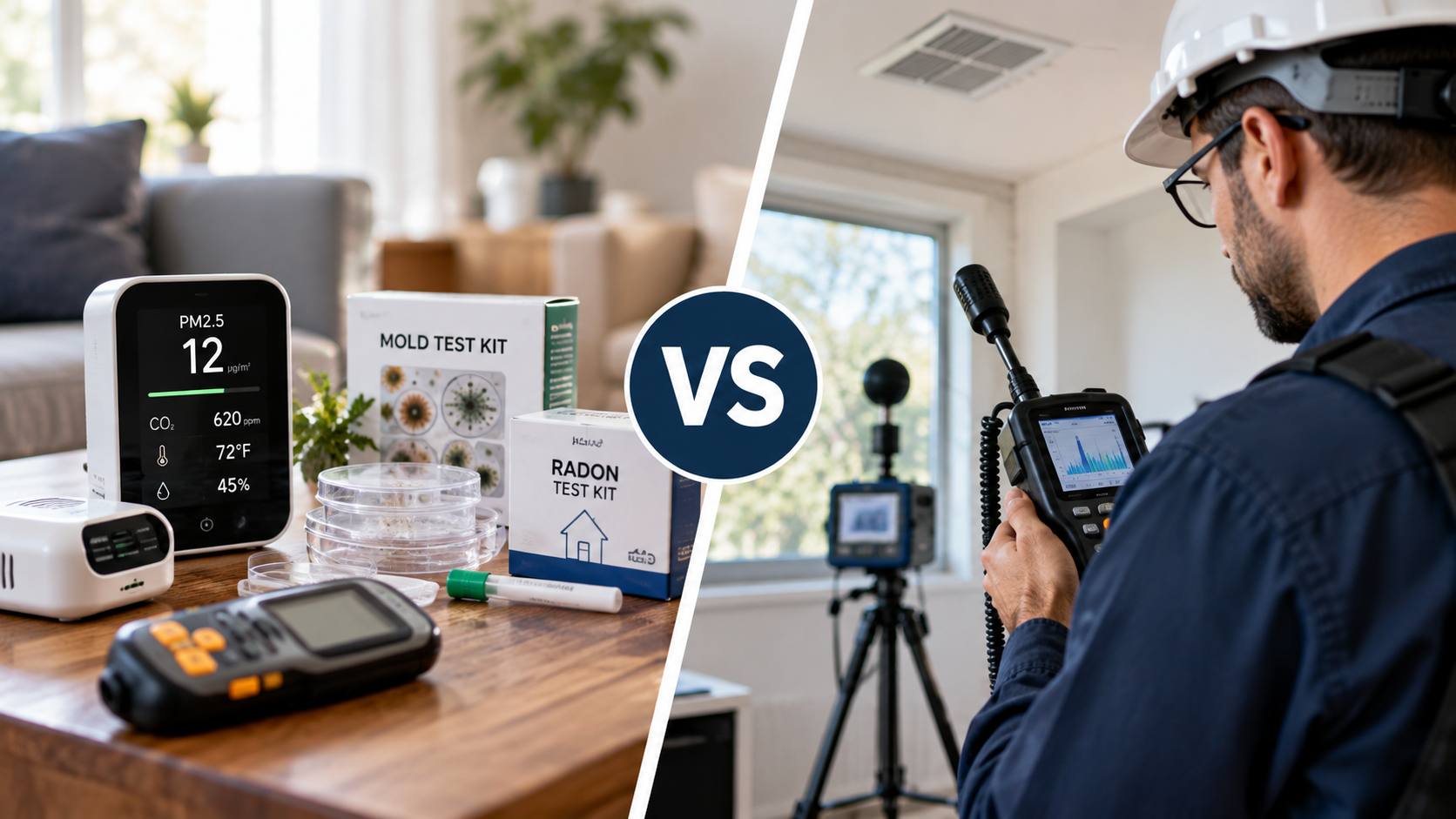
Indoor air quality (IAQ) plays an important role in maintaining comfortable, healthy indoor environments. From airborne particles and moisture to ventilation problems and chemical pollutants, many factors can affect the air inside homes, offices, and commercial buildings. With affordable air quality monitors and DIY testing kits widely available, it's easier than ever to collect information about indoor conditions. But how reliable are these tools, and when is it time to consult an indoor air quality professional? Understanding the difference between DIY testing and professional IAQ investigations can help you make more informed decisions. What Is DIY Indoor Air Quality Testing? DIY indoor air quality testing involves using consumer-grade devices or testing kits to check certain indoor environmental conditions without hiring a professional. Common DIY tools include: Air quality monitors: Track indicators such as particulate matter (PM2.5), carbon dioxide (CO₂), temperature, and humidity, depending on the device. Mold testing kits: Collect samples that may be analyzed for mold, although results can be difficult to interpret. VOC monitors: Provide estimates or indicators of certain volatile organic compounds. Humidity meters: Help identify moisture conditions that may contribute to mold growth. Radon monitors: Measure radon gas (which is odorless, colorless and radioactive) concentrations indoors, either with short-term tests or long-term monitoring. These tools can be useful for observing trends and identifying conditions that may need further attention. However, they have limitations, particularly when it comes to accuracy, sampling methods, and interpreting results. What Does an IAQ Professional Do? An indoor air quality professional takes a more comprehensive approach to evaluating indoor environmental concerns. Rather than relying on a single reading or test result, a qualified professional considers multiple factors, including building history, ventilation, moisture conditions, occupant activities, and potential pollutant sources. A professional IAQ investigation may involve: Evaluating HVAC systems and ventilation performance. Inspecting for moisture intrusion and conditions that support microbial growth. Using appropriate instruments and sampling methods. Reviewing occupant concerns and patterns. Interpreting findings within the context of building conditions. Recommending practical next steps based on the available evidence. The goal is not simply to collect numbers. It is to understand what those numbers mean and how they relate to the building and its occupants.
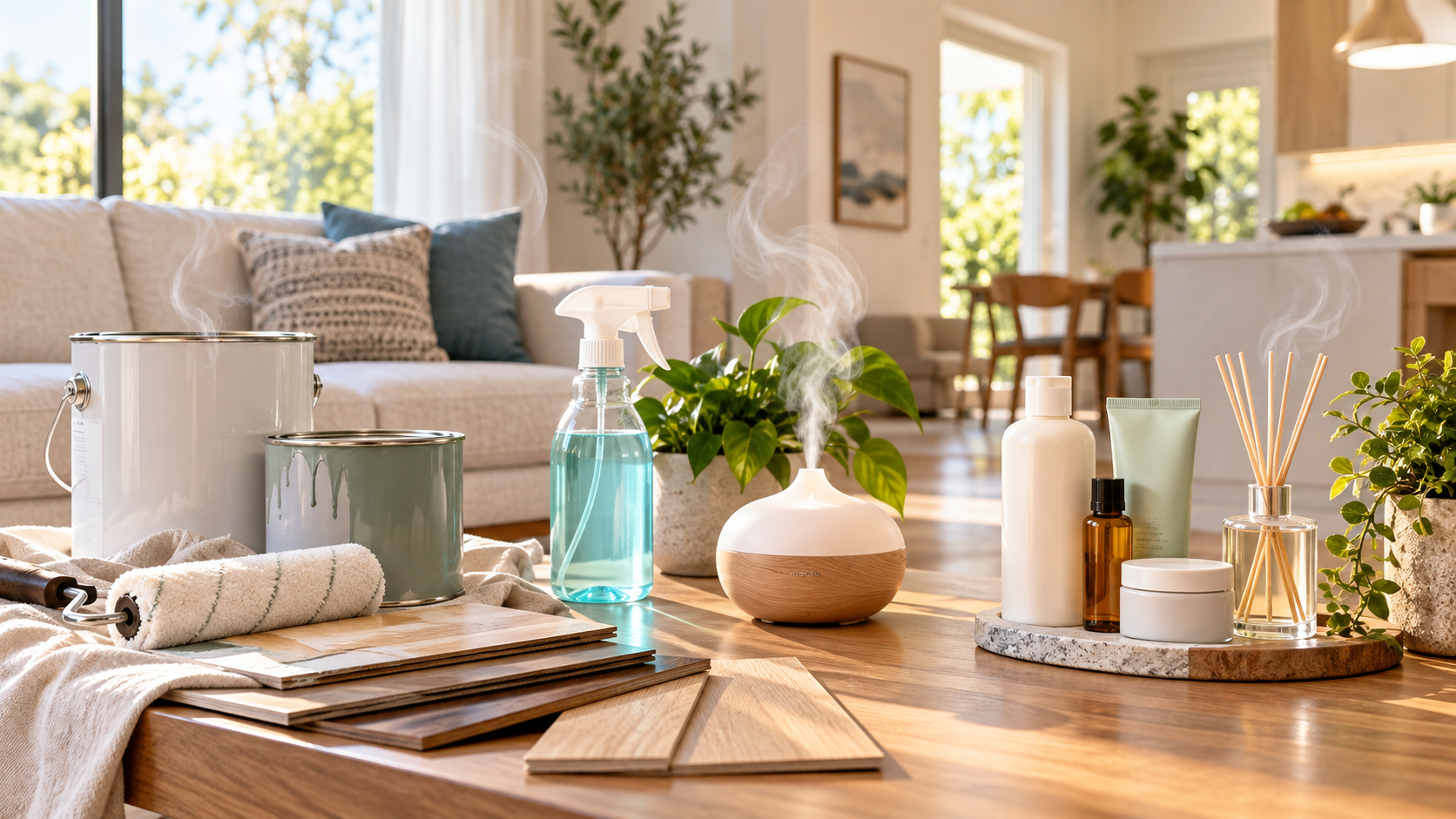
Indoor air can contain pollutants from sources we encounter every day. One important group is volatile organic compounds, or VOCs . What Are VOCs? VOCs are chemicals that can evaporate into the air from certain products and materials. Indoors, they may be released while a product is being used or, in some cases, continue to be emitted from materials and furnishings over time. Understanding potential VOC sources is an important part of evaluating and managing indoor air quality . Where Do VOCs Come From? VOCs can come from a wide variety of products and materials commonly found in homes, schools, offices, and other buildings, including: Paints, coatings, adhesives, and solvents Cleaning and disinfecting products Air fresheners, fragrances, and personal care products Furniture and cabinetry Flooring and carpets Building and renovation materials Stored fuels, chemicals, and hobby products Renovation activities may temporarily introduce additional VOC sources as new paints, flooring, adhesives, furnishings, and other materials are brought into a building. How Can VOC Exposure Be Reduced? Managing VOCs begins with understanding and controlling their sources. Building occupants and managers can consider increasing ventilation when appropriate, following manufacturer instructions, properly storing chemicals, and selecting lower-emitting products when practical. Because indoor environments vary, the presence of an odor does not necessarily tell you which VOCs are present or at what concentration. When Should You Consider an IAQ Professional? If there are persistent odors, occupant concerns, or questions about potential indoor pollutant sources, an indoor air quality professional can help evaluate the building, identify possible sources, and determine whether additional investigation or testing is appropriate. Learning where indoor pollutants come from is an important first step toward creating healthier indoor environments. Looking for more information about indoor air quality? Visit IAQA for educational resources and information from the indoor air quality industry.
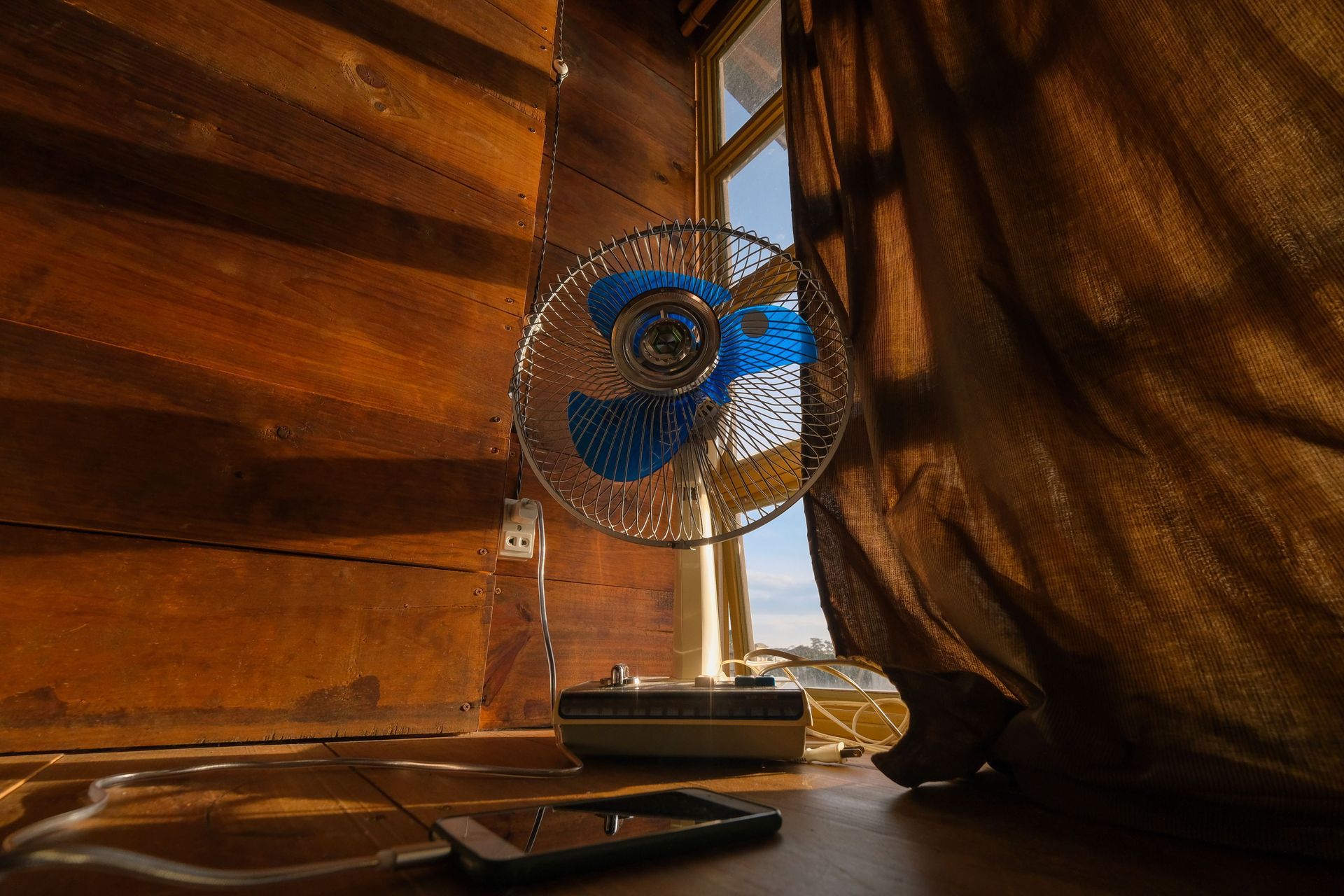
When a Fan Does More Than Move Air: How Settled Dust Can Affect Indoor Air Quality

Ventilation is essential to good indoor air quality. But that strategy depends on an important assumption: the outdoor air entering a building is reasonably clean and understood. In the United States today, that assumption cannot always be taken for granted. Wildfire smoke, industrial emissions, traffic pollution, chemical releases, construction activity, and other outdoor events can affect indoor environments. Some hazards are obvious. Others may be difficult to detect or may not be captured by nearby monitoring. That uncertainty makes indoor air quality control increasingly important. Lessons From 9/11

Severe flash flooding in Nepal highlights an often-overlooked concern after floods: indoor air quality. Learn how water damage, moisture, mold, contaminated materials, and cleanup activities can affect indoor environments.
The Indoor Air Quality Association (IAQA) is pleased to announce an eight-year extension of its sponsorship agreement with Particles Plus, building on the second year of the parties’ original two-year agreement. With this extension, Particles Plus will continue as IAQA’s exclusive Diamond Sponsor, reinforcing its commitment to supporting the association’s mission, initiatives, and long-term growth. In addition to its financial support, Particles Plus will provide strategic services and advisory guidance to assist IAQA as it strengthens programs, expands industry engagement, and advances its service to members and the broader indoor air quality community. “Particles Plus has already proven to be a valued partner to IAQA, and this extension reflects both the strength of our relationship and our shared confidence in the future,” said Stanley Yeskolski, President of IAQA. “As Diamond Sponsor, their continued support, strategic services, and advice will help IAQA grow, better serve our members, and further our mission across the indoor air quality industry.” “IAQA plays an essential role in supporting professionals who work every day to improve indoor environments,” said Adam Giandomenico, CEO of Particles Plus. “We are proud to extend this partnership for eight more years and to support IAQA not only through sponsorship, but also through strategic collaboration that helps the association strengthen its programs and expand its impact.” This renewed agreement reflects a shared commitment to advancing indoor air quality knowledge, supporting practitioners, and promoting healthier indoor environments through collaboration, education, and industry leadership. The original commitment began in 2025 and now will continue through 2035.

Wildfire Smoke and Respiratory Protection: Choosing the Right Mask Wildfire smoke can affect communities located far beyond the fire itself. Wind can carry smoke across cities, states, and even national borders, as is happening currently across the Great Lakes and Northeastern US due to Canadian wildfires. The result is poor to hazardous air quality both outdoors and inside buildings. One of the main concerns in wildfire smoke is PM2.5. These particles are extremely small and can travel deep into the respiratory system. Exposure may irritate the eyes, nose, throat, and lungs. It can also worsen asthma, heart disease, and other existing health conditions. When outdoor air quality becomes unhealthy, reducing exposure should be the first priority. Staying indoors, keeping windows closed, using effective air filtration, and avoiding strenuous outdoor activity can all help. When going outside is necessary, wearing the right respiratory protection is important.

When wildfire smoke rolls in, most people think about it as an outdoor problem: hazy skies, stinging eyes, the advice to stay inside. But "inside" isn't automatically safe. Smoke particles are small enough to slip through open windows and doors, gaps around trim and outlets, HVAC intakes, and even tiny leaks in the building envelope itself. Once they're in, they don't just disappear — they settle into carpets, upholstery, and ductwork, and keep affecting air quality long after the skies clear outside. Why Indoor Air Takes the Hit Too Wildfire smoke is loaded with fine particulate matter (PM2.5) — particles so small they bypass your body's natural filters and reach deep into the lungs. Unlike larger dust or pollen, these particles move easily through the small openings that exist in almost every building, including: Open or poorly sealed windows and doors Gaps around pipes, vents, and electrical penetrations HVAC systems pulling in outdoor air Cracks in the building envelope (siding, roofline, foundation) Without preparation, indoor PM2.5 levels can climb close to outdoor levels within hours of a smoke event starting. Preparing Before Smoke Arrives The best defense is proactive, not reactive. A few key steps make a real difference: 1. Seal the gaps. Weatherstripping, door sweeps, and caulking around penetrations reduce how much smoke can infiltrate. 2. Upgrade HVAC filtration. Use the highest MERV rated filter that your system is rated for; check with your HVAC company if you aren’t certain. A MERV 13 or higher filter (where the system allows) captures significantly more fine particulate than standard filters. 3. Have a portable air cleaner ready. HEPA-based units with adequate CADR(Clean Air Delivery Rate) ratings for the room size can be a fast, effective backstop, especially in bedrooms or common living areas. 4. Set HVAC systems to recirculate. Switching off fresh-air intake during active smoke events keeps outdoor smoke from being pulled directly inside. 5. Know your air quality resources. Track local AQI before smoke hits so you can act early instead of waiting until conditions are already unhealthy. The Takeaway Wildfire season is as much an indoor air quality issue as an outdoor one. Buildings are more porous than they look, and smoke will find its way in through the paths of least resistance. Preparing ahead of time — sealing gaps, upgrading filtration, and having a response plan — is what separates a minor inconvenience from a real health risk indoors. Want more practical guidance on protecting indoor air during wildfire season? Explore IAQA's resources and connect with certified indoor air quality professionals at iaqa.org .
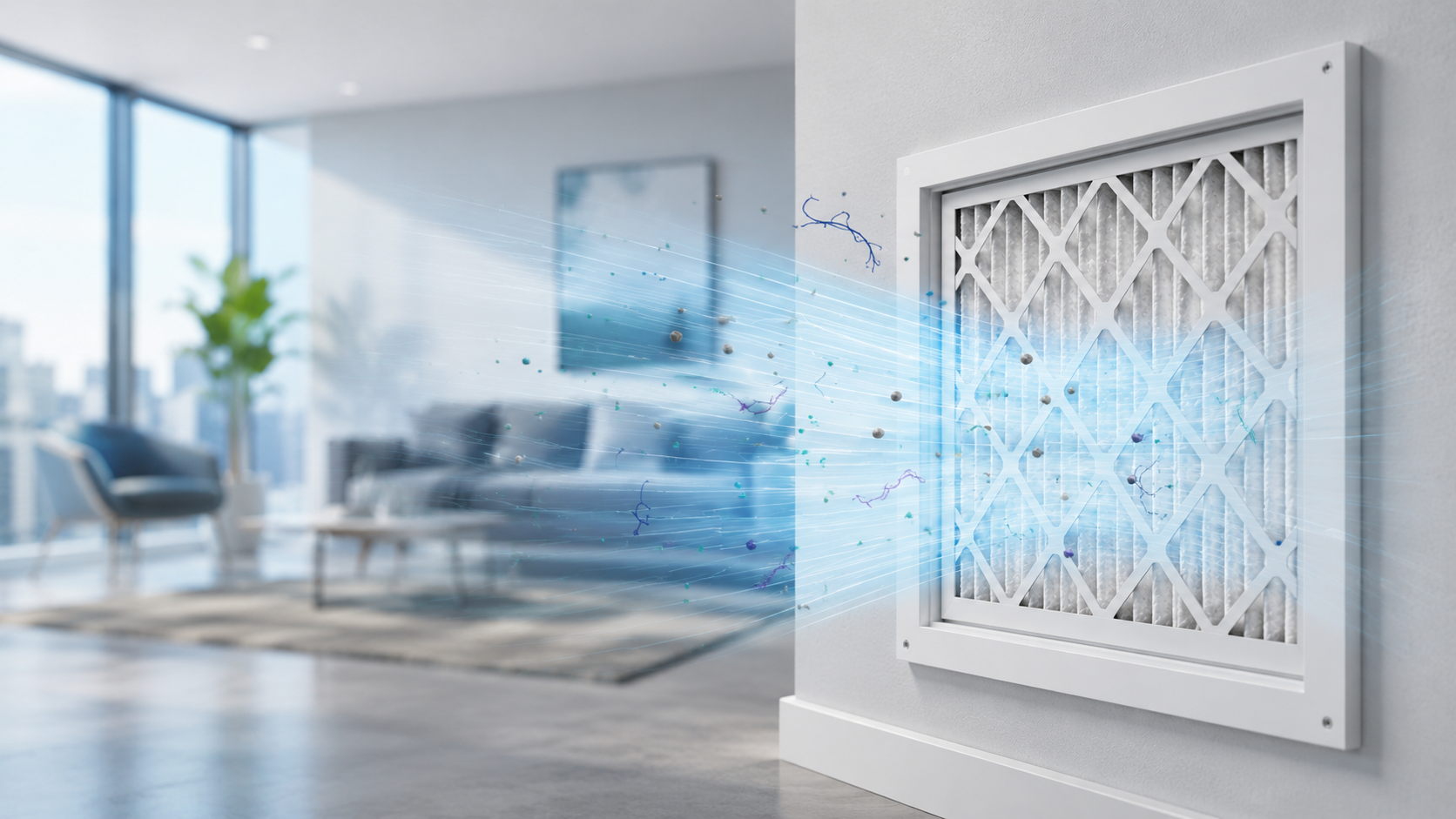
Microplastics are becoming part of the indoor air quality conversation. While many people think of microplastics as something found in water or food, research is also looking at how small plastic particles and fibers may move through the air inside homes, offices, schools, and other buildings. Indoor environments are increasingly recognized as an important pathway for airborne microplastic exposure, although methods and findings are still developing. For IAQ professionals, one practical question is worth asking: Can HVAC filtration help reduce airborne microplastics? The answer is yes, filtration may help reduce airborne particles, including some microplastics. But it is important to understand what filtration can do, what it cannot do, and why proper maintenance matters. What Are Airborne Microplastics? Microplastics are very small plastic particles, generally smaller than 5 millimeters. Indoors, they may come from synthetic textiles, carpets, upholstery, furniture, packaging, electronics, plastic-based materials, and settled dust. Some microplastics can become airborne through normal building activity. Walking, cleaning, opening and closing doors, using HVAC systems, or disturbing soft materials can move particles from surfaces into the air. Because indoor spaces are enclosed, these particles may settle, recirculate, or build up in dust if they are not managed through source control, cleaning, ventilation, and filtration.
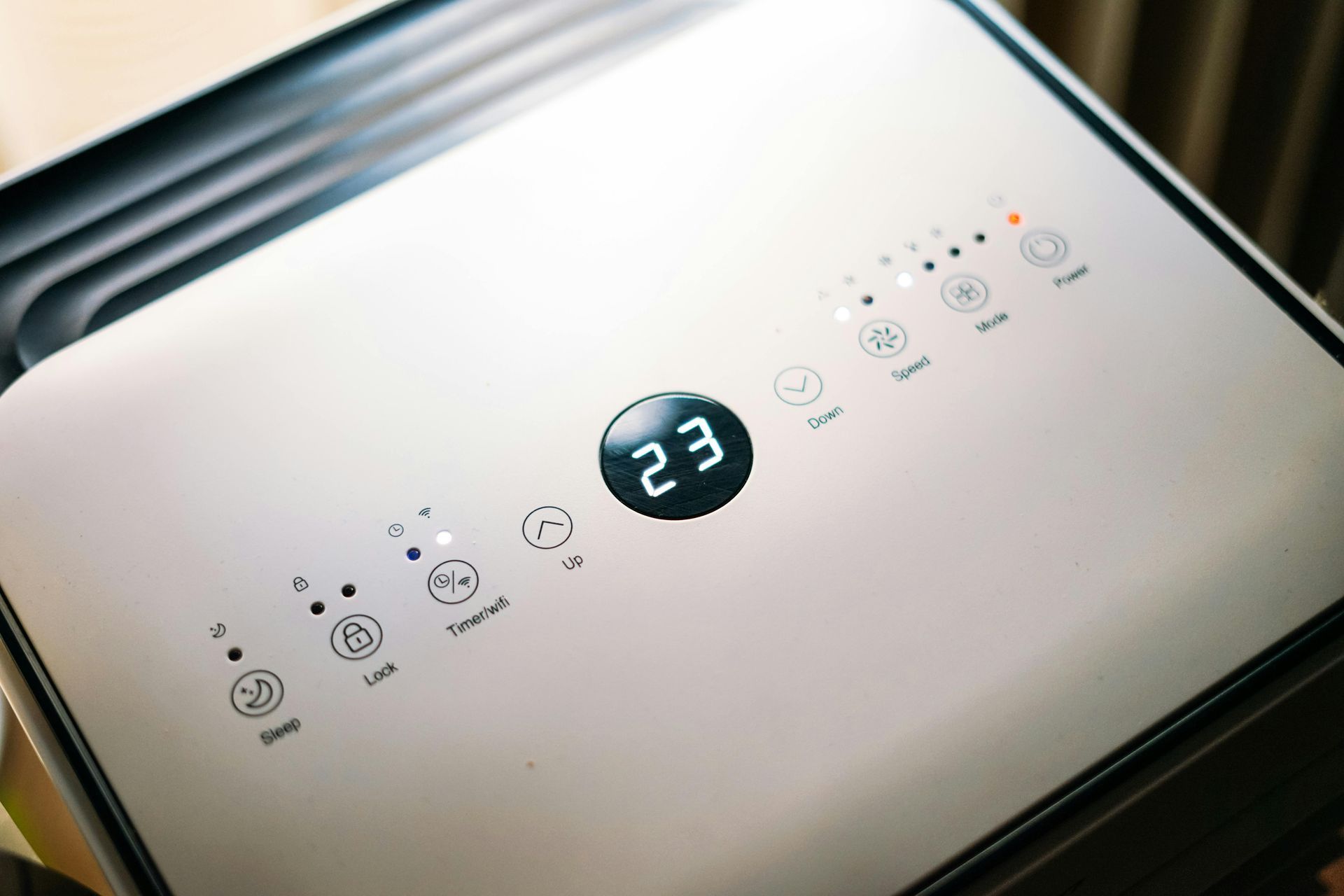
If you've ever walked into a stuffy room and wondered, "Should I just buy an air purifier?" You're not alone. Air purifiers are popular, easy to buy, and heavily marketed. But here's the truth: an air purifier and proper ventilation are not the same thing, and one cannot replace the other. Let's break it down in simple terms. What Does an Air Purifier Do? Think of an air purifier like a vacuum cleaner, but for the air. It pulls in the air inside your room, filters out dust, pollen, smoke particles, and other tiny pollutants, and then pushes cleaner air back out. Air purifiers are great at: Capturing fine particles like dust and allergens Reducing smoke and wildfire-related pollution indoors Filtering pet dander and mold spores But here's the catch: an air purifier only cleans the air that's already inside your building. It doesn't bring in any fresh air from outside. What Is Proper Ventilation? Ventilation is the process of swapping out stale indoor air with fresh outdoor air. It's like opening a window, except in most buildings, it's done through carefully designed systems like HVAC units, exhaust fans, and air ducts. Good ventilation: Brings in fresh air and removes stale, CO₂-heavy air Dilutes indoor pollutants that build up over time Controls humidity, which helps prevent mold growth Keeps air moving throughout the whole building Without proper ventilation, pollutants from cleaning products, furniture, cooking, and even the people inside the building accumulate, and no air purifier can fully solve that problem. So What's the Difference, Really? Here's a simple way to think about it: