
Indoor Air Quality Alert From Indiana to Nepal: Flooding and the Risks That Follow
Indoor Air Quality Alert
From Indiana to Nepal: Flooding and the Risks That Follow
Mid-August brought severe flooding to Indiana and surrounding states following several days of heavy rain, and power was out for nearly two weeks in some areas. Then, on August 26, 2026, catastrophic flash flooding struck areas along Nepal’s Himalayan border with Tibet, damaging communities, homes, roads, bridges, and other critical infrastructure. Search-and-rescue and relief operations remain underway, while authorities continue to monitor newly formed lakes and the possibility of additional flooding. Our thoughts and prayers go out to all those affected by these disasters and to their loved ones waiting for news.
The immediate priorities in any disaster are life safety, rescue, shelter, clean water, and essential services. But as communities begin the difficult process of returning to and repairing buildings, another concern can quickly emerge: indoor air quality.
Floodwater Does Not Leave When the Water Recedes
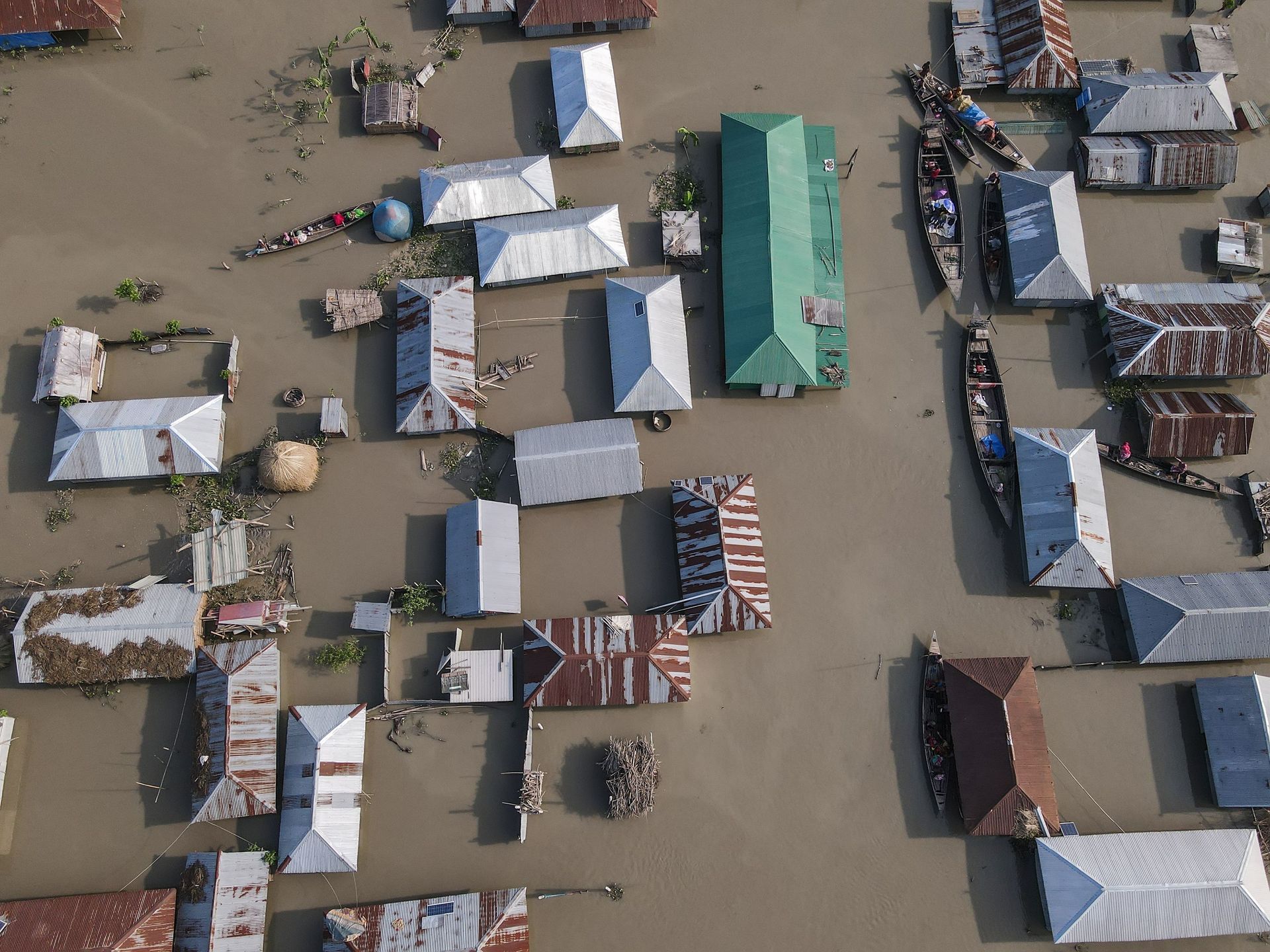
A building may look dry on the surface while moisture remains trapped inside walls, flooring, insulation, furniture, and other materials.
According to the U.S. Environmental Protection Agency (EPA), floodwater can introduce biological and chemical contaminants into buildings. Wet materials that remain damp can also create conditions where mold develops, sometimes within 24 to 48 hours.
After significant flooding, indoor environmental concerns may include:
- Excess moisture and high humidity
- Mold growth on wet building materials
- Bacteria and other microorganisms carried by floodwater
- Contaminated sediment and debris
- Particles released during demolition and cleanup
- Damaged or contaminated HVAC systems
- Fumes from cleaning and restoration products
- Carbon monoxide from improperly operated generators
These concerns can continue long after standing water disappears.
Drying Quickly Matters
One of the most important steps after a building is declared safe to enter is controlling moisture.
The CDC recommends cleaning and drying flooded buildings as quickly as possible, ideally within 24 to 48 hours when conditions allow. Materials such as carpeting, drywall, insulation, mattresses, upholstered furniture, and other porous items may be difficult to adequately clean and dry after extensive water exposure.
Simply making a building look dry does not necessarily mean the moisture problem has been resolved.
Hidden areas such as wall cavities, flooring systems, ceiling assemblies, crawlspaces, and HVAC components may require further evaluation.
Cleanup Can Affect the Air Too
Recovery activities can disturb mold, dust, sediment, and other contaminants and release them into the air.
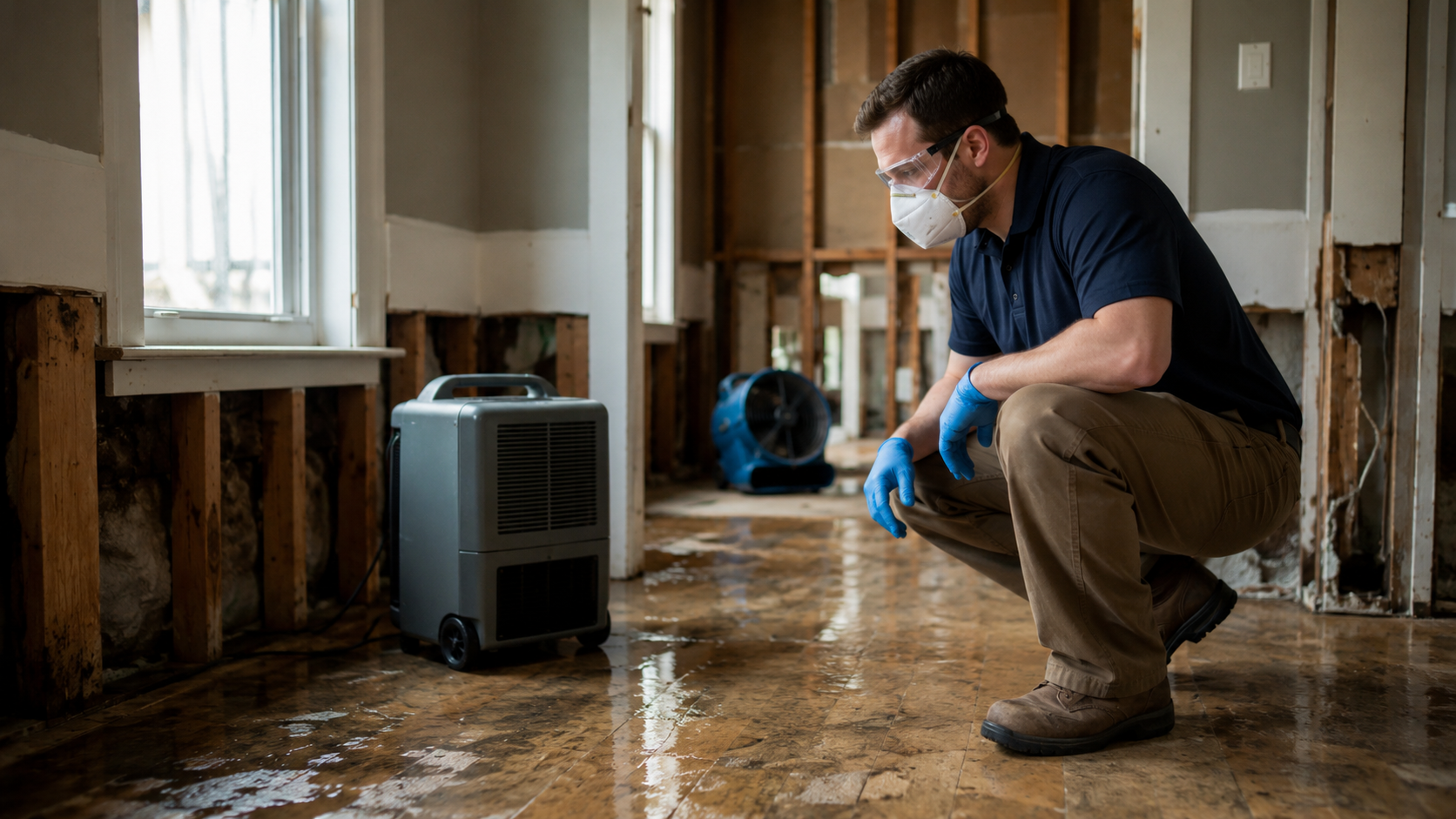
EPA guidance recommends cleanup methods that minimize the amount of contamination becoming airborne. Appropriate personal protective equipment is also important. For mold cleanup following a disaster, EPA and CDC guidance recommends at least an N95 respirator, protective gloves, and goggles.
Ventilation can help with drying when appropriate, but conditions should be evaluated carefully. For example, EPA advises addressing visible mold before using fans or dehumidifiers that could potentially disturb contamination.
Do Not Forget the HVAC System
Heating, cooling, and ventilation systems should also be considered after flooding.
If floodwater, mud, or excessive moisture has reached HVAC equipment or ductwork, operating the system without evaluating its condition could potentially distribute contaminants throughout the building.
In heavily damaged buildings, a qualified professional may need to evaluate the HVAC system along with moisture levels, building materials, and other indoor environmental conditions before normal occupancy resumes.
Generator Safety Is Also an Indoor Air Quality Issue
Power outages often follow major floods, making portable generators essential for many communities.
However, generators produce carbon monoxide, an odorless and potentially deadly gas. EPA guidance states that portable generators should be operated outside and at least 20 feet away from buildings, not inside homes, garages, or other enclosed areas.
Recovery Includes the Indoor Environment
Nepal’s current emergency is first and foremost a humanitarian crisis. As rescue efforts transition into recovery and rebuilding, protecting indoor environments will become another important part of helping affected communities return safely to homes, schools, workplaces, healthcare facilities, and other buildings.
Flood recovery is not simply about removing water. It is about understanding what the water left behind.
Moisture management, proper drying, material removal, safe cleanup practices, HVAC evaluation, and appropriate professional assessment can all play an important role in reducing longer-term indoor environmental problems.
The Indoor Air Quality Association (IAQA) supports professionals around the world who work to identify and resolve indoor environmental challenges, including moisture, mold, water damage, ventilation concerns, and other air quality issues.
For additional indoor air quality resources or to locate an IAQ professional, visit
IAQA.org and the
IAQA Find-a-Pro Directory.