
Build a Smarter, Stronger Organization Through Ongoing Education

Inspire and empower your team with the gift of knowledge!
2026 Webinar Series: Equip your team with the latest industry insights and skills.
Florida Forum 2026 in Bonita Springs, FL February 17 & 18
2026 Annual Conference in Carlsbad, CA. Dive in to learning while fostering connection and collaboration in an inspiring and fun environment.
Conference Videos: 2024 and 2025 are available for purchase. If you couldn't make it to the conference, or want to share what you learned with your team, videos are a great way to set up staff Lunch & Learns. Coupon codes are available for members and conference attendees.
Continuing education is the perfect way to show your team you value their growth and professional development.
The Indoor Air Quality Association (IAQA) is pleased to announce an eight-year extension of its sponsorship agreement with Particles Plus, building on the second year of the parties’ original two-year agreement. With this extension, Particles Plus will continue as IAQA’s exclusive Diamond Sponsor, reinforcing its commitment to supporting the association’s mission, initiatives, and long-term growth. In addition to its financial support, Particles Plus will provide strategic services and advisory guidance to assist IAQA as it strengthens programs, expands industry engagement, and advances its service to members and the broader indoor air quality community. “Particles Plus has already proven to be a valued partner to IAQA, and this extension reflects both the strength of our relationship and our shared confidence in the future,” said Stanley Yeskolski, President of IAQA. “As Diamond Sponsor, their continued support, strategic services, and advice will help IAQA grow, better serve our members, and further our mission across the indoor air quality industry.” “IAQA plays an essential role in supporting professionals who work every day to improve indoor environments,” said Adam Giandomenico, CEO of Particles Plus. “We are proud to extend this partnership for eight more years and to support IAQA not only through sponsorship, but also through strategic collaboration that helps the association strengthen its programs and expand its impact.” This renewed agreement reflects a shared commitment to advancing indoor air quality knowledge, supporting practitioners, and promoting healthier indoor environments through collaboration, education, and industry leadership. The original commitment began in 2025 and now will continue through 2035.
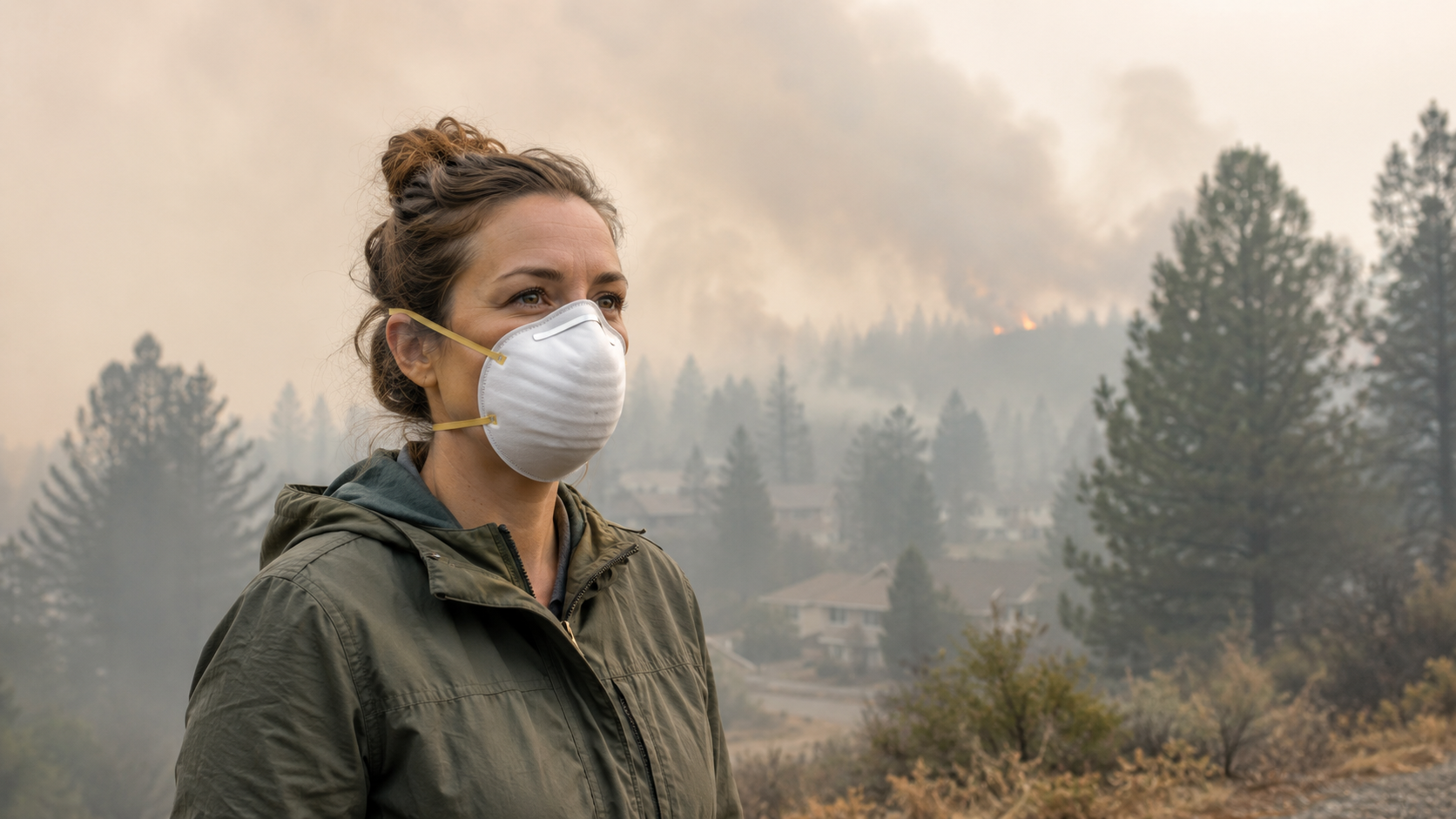
Wildfire Smoke and Respiratory Protection: Choosing the Right Mask Wildfire smoke can affect communities located far beyond the fire itself. Wind can carry smoke across cities, states, and even national borders, as is happening currently across the Great Lakes and Northeastern US due to Canadian wildfires. The result is poor to hazardous air quality both outdoors and inside buildings. One of the main concerns in wildfire smoke is PM2.5. These particles are extremely small and can travel deep into the respiratory system. Exposure may irritate the eyes, nose, throat, and lungs. It can also worsen asthma, heart disease, and other existing health conditions. When outdoor air quality becomes unhealthy, reducing exposure should be the first priority. Staying indoors, keeping windows closed, using effective air filtration, and avoiding strenuous outdoor activity can all help. When going outside is necessary, wearing the right respiratory protection is important.
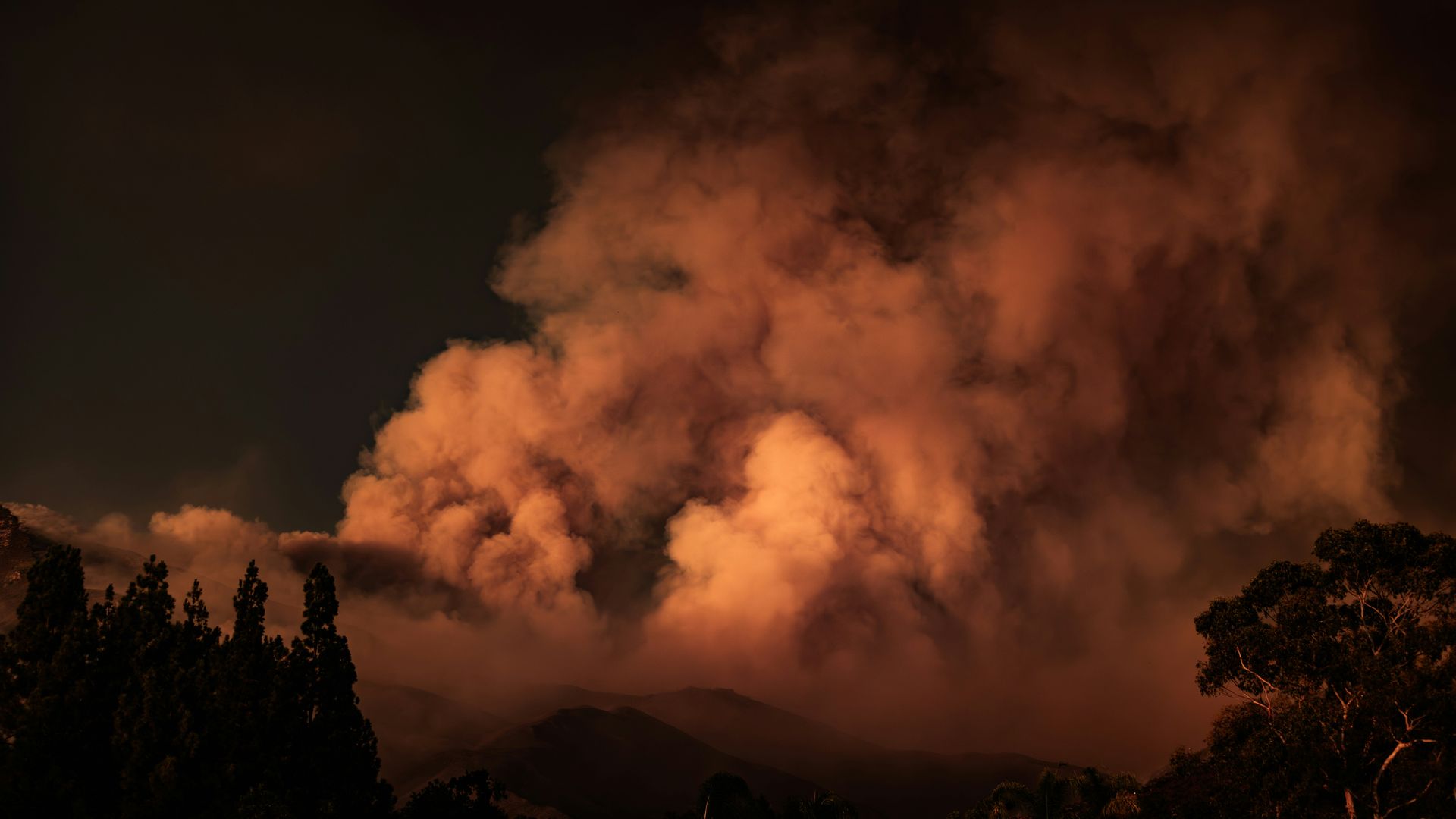
When wildfire smoke rolls in, most people think about it as an outdoor problem: hazy skies, stinging eyes, the advice to stay inside. But "inside" isn't automatically safe. Smoke particles are small enough to slip through open windows and doors, gaps around trim and outlets, HVAC intakes, and even tiny leaks in the building envelope itself. Once they're in, they don't just disappear — they settle into carpets, upholstery, and ductwork, and keep affecting air quality long after the skies clear outside. Why Indoor Air Takes the Hit Too Wildfire smoke is loaded with fine particulate matter (PM2.5) — particles so small they bypass your body's natural filters and reach deep into the lungs. Unlike larger dust or pollen, these particles move easily through the small openings that exist in almost every building, including: Open or poorly sealed windows and doors Gaps around pipes, vents, and electrical penetrations HVAC systems pulling in outdoor air Cracks in the building envelope (siding, roofline, foundation) Without preparation, indoor PM2.5 levels can climb close to outdoor levels within hours of a smoke event starting. Preparing Before Smoke Arrives The best defense is proactive, not reactive. A few key steps make a real difference: 1. Seal the gaps. Weatherstripping, door sweeps, and caulking around penetrations reduce how much smoke can infiltrate. 2. Upgrade HVAC filtration. Use the highest MERV rated filter that your system is rated for; check with your HVAC company if you aren’t certain. A MERV 13 or higher filter (where the system allows) captures significantly more fine particulate than standard filters. 3. Have a portable air cleaner ready. HEPA-based units with adequate CADR(Clean Air Delivery Rate) ratings for the room size can be a fast, effective backstop, especially in bedrooms or common living areas. 4. Set HVAC systems to recirculate. Switching off fresh-air intake during active smoke events keeps outdoor smoke from being pulled directly inside. 5. Know your air quality resources. Track local AQI before smoke hits so you can act early instead of waiting until conditions are already unhealthy. The Takeaway Wildfire season is as much an indoor air quality issue as an outdoor one. Buildings are more porous than they look, and smoke will find its way in through the paths of least resistance. Preparing ahead of time — sealing gaps, upgrading filtration, and having a response plan — is what separates a minor inconvenience from a real health risk indoors. Want more practical guidance on protecting indoor air during wildfire season? Explore IAQA's resources and connect with certified indoor air quality professionals at iaqa.org .